
 "Stampe bellissime, spedizione veloce!"
 "Fantastica selezione di poster vintage"
 "Un piccolo tesoro nascosto per chi ama l'arte"
"Stampe bellissime, spedizione veloce!"
"Fantastica selezione di poster vintage"
"Un piccolo tesoro nascosto per chi ama l'arte"
"Stampe bellissime, spedizione veloce!"
"Fantastica selezione di poster vintage"
"Un piccolo tesoro nascosto per chi ama l'arte"
"Stampe bellissime, spedizione veloce!"
"Fantastica selezione di poster vintage"
"Un piccolo tesoro nascosto per chi ama l'arte"
"Un piccolo tesoro nascosto per chi ama l'arte"
"Stampe bellissime, spedizione veloce!"
"Fantastica selezione di poster vintage"
"Un piccolo tesoro nascosto per chi ama l'arte"
"Stampe bellissime, spedizione veloce!"
"Fantastica selezione di poster vintage"
"Un piccolo tesoro nascosto per chi ama l'arte"
"Stampe bellissime, spedizione veloce!"
"Fantastica selezione di poster vintage"
"Un piccolo tesoro nascosto per chi ama l'arte"

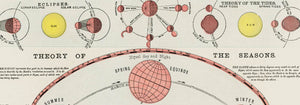
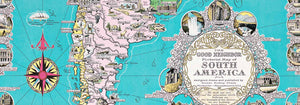
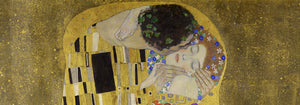

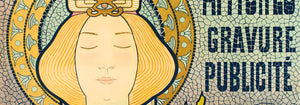
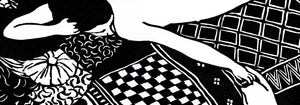
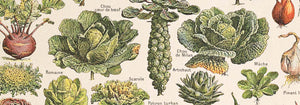
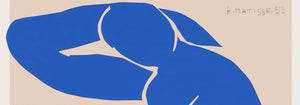
- Punch Boutique Poster
- Giudaismo e Paganesimo Poster
- Tour Eiffel 2 Poster
- La posizione attuale dei Mahatmas Poster
- Riley Blaze Poster
- La Paresse Poster
- Gatto nero 4 Poster
- Gatto nero 3 Poster
- Sherlock Holmes Poster
- Gatto Nero 2 Poster
- Solaris Poster
- Campanile di Pisa Poster
- Kabuki Poster
- Labbra Rosse Poster
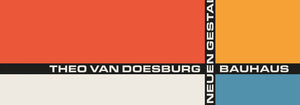
- Mostra del Bauhaus Poster
- Testa di donna Poster
- Arte giapponese Poster
- Veduta della Torre Eiffel Poster
- Pegaso davanti a una nuvola Poster
- Maskers Poster
- Arte olandese contemporanea Poster
- Marihuana Poster
- Ponte di Lisbona Poster
- Surfista in Portogallo Poster
- Tram 28 di Lisbona Poster
- Alfama Poster
- Veduta della città vecchia di Lisbona Poster
Inchiostro, argento e il piacere del contrasto
Le immagini in bianco e nero hanno un loro clima: nette, discrete e leggermente cinematografiche. I grigi si spostano come il tempo sulla carta, dalla foschia di carbone al bianco acuto. Qui la cultura del poster vintage incontra la fotografia, le tavole scientifiche e l'astrazione modernista, tenute insieme da valore, linea e spazio negativo. Senza il colore che distragga, il ritmo della stampa diventa più limpido: la scalfittura del pennello, la grana della pellicola, la logica di un diagramma. Questi poster vestono un arredamento che punta su materiali e luce, dove l'arte murale convive con libri, ceramiche e tessuti materici con presenza misurata.
Dall'intimità espressionista alla storia naturale
Il disegno espressionista trasformò il corpo in luogo di candore psicologico, e Egon Schiele spinse quel linguaggio con contorni nervosi e spazi improvvisi, incompiuti. In Due donne che si abbracciano (1913) di Egon Schiele la vicinanza delle figure è esaltata dal bianco circostante, che si comporta come il silenzio in una stanza. Una tradizione diversa emerge nell'illustrazione scientifica, dove la chiarezza è una forma di bellezza. Le tavole di Ernst Haeckel usano simmetria e tratto controllato per rendere la tassonomia leggibile, alimentando al contempo il vocabolario del design dell'epoca. Hexacoralla da Kunstformen der Natur (1904) di Ernst Haeckel si legge sia come biologia marina sia come ornamento, un ponte tra microscopio e decorazione.
Dove funziona meglio l'arte murale monocromatica
Le stampe monocrome eccellono negli spazi di transizione perché il contrasto regge a colpo d'occhio. In un corridoio o su una rampa di scale, i poster in bianco e nero possono scorrere come un racconto continuo; accostare fotografia e diagrammi mantiene lo sguardo in movimento. In studi e cucine la linea tecnica trova posto tra scaffali e utensili, e la cartografia offre pattern senza una palette rumorosa. Nuovo piano di Londra (1853) di J. Whitbread porta una geometria stradale che si comporta quasi come tessuto. Per atmosfere affini, Fotografia punta sul tono, mentre Scienza e Mappe mantengono l'accento sulla struttura.
Curare tra movimenti: Op art, Bauhaus e misura
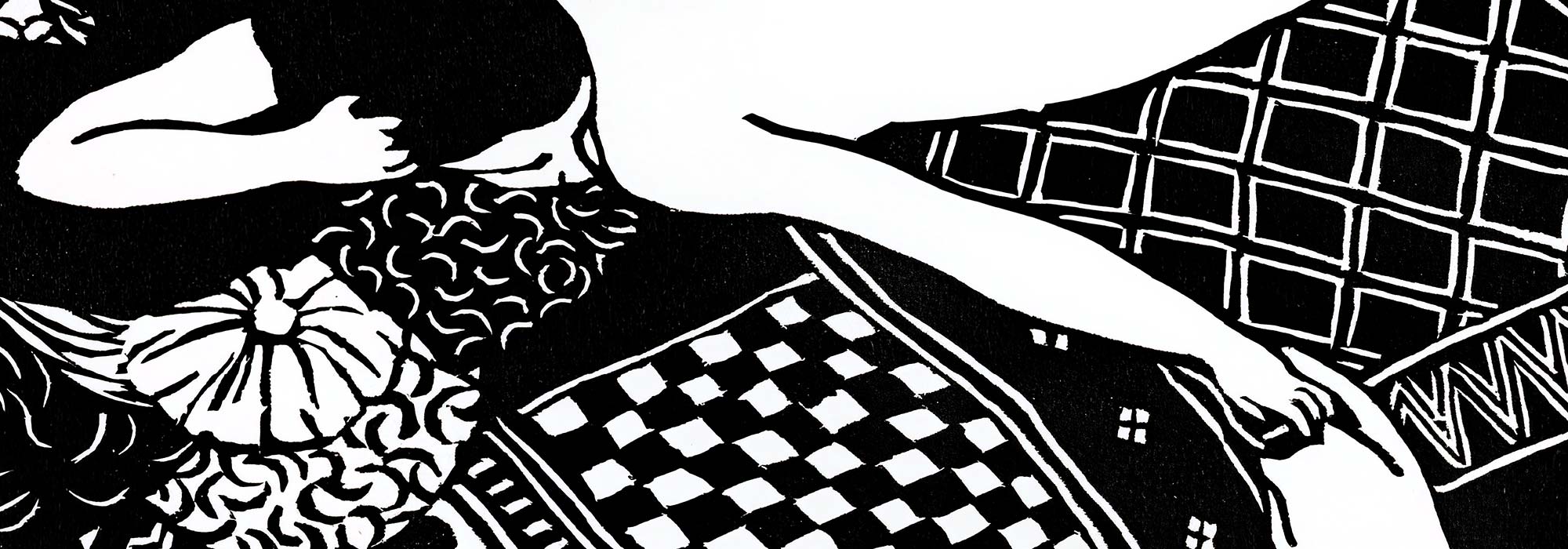
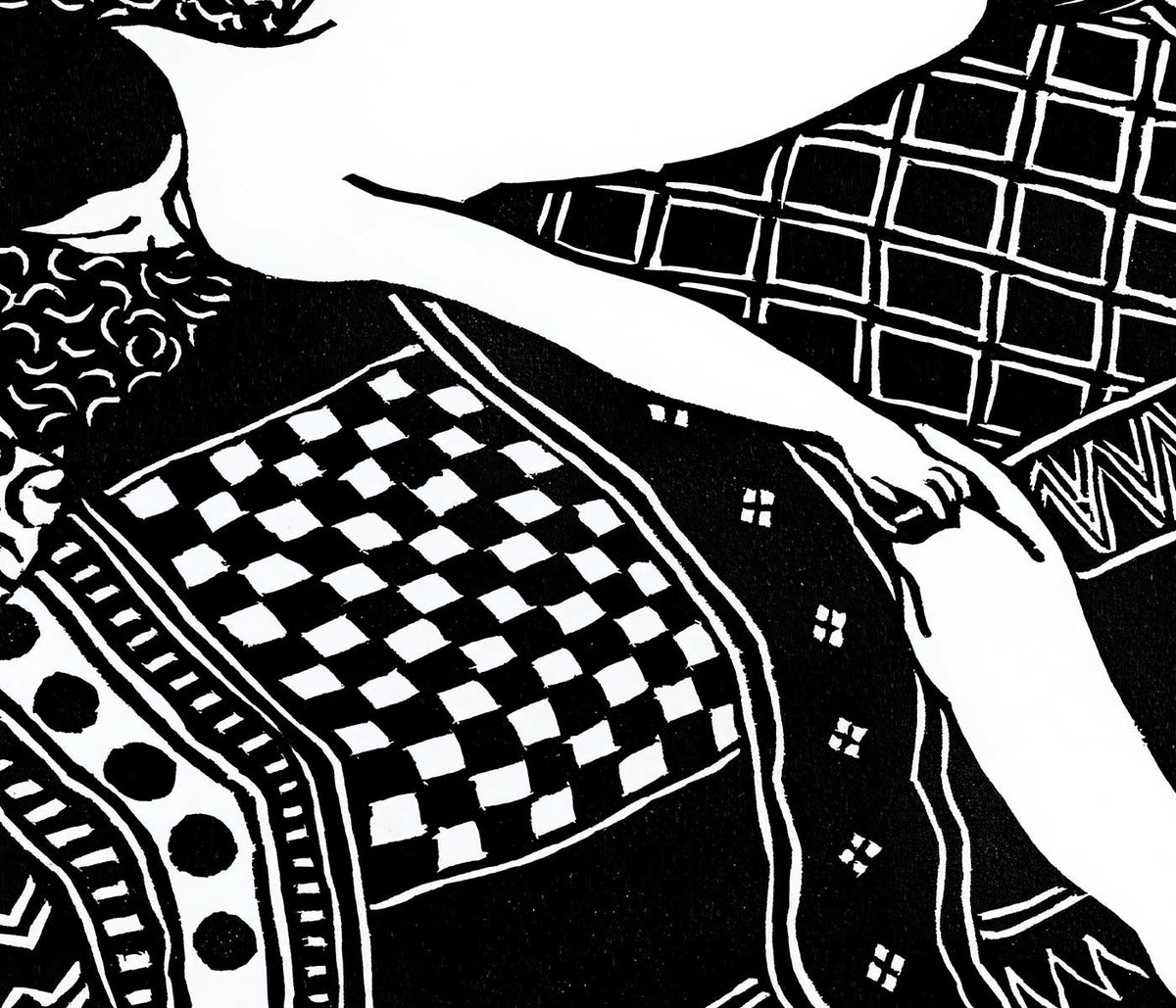
Poiché il bianco e nero riduce le scelte cromatiche, facilita anche la mescola di epoche. L'Op art sfrutta la meccanica stessa dell'occhio, e Riley Blaze (1964) di Bridget Riley introduce vibrazione e tensione ottica adatte a stanze essenziali e superfici opache. La grafica Bauhaus parla in altro modo: privilegia chiarezza, proporzione e il poster come lingua pubblica moderna. Bauhaus Ausstellung 1923 funziona bene vicino a scaffali in metallo, copertine di vinile e oggetti funzionali, dove la geometria è conversazione più che ornamento. Per equilibrio a inchiostro e asimmetria, Orientale offre un contrappunto utile, mentre Minimalista mantiene il focus sullo spazio negativo.
Inquadrare, accostare e lasciare che la carta conti
L'arte murale monocroma richiede attenzione al tono della carta e ai margini. I bianchi caldi ammorbidiscono stanze con legno e lino; i bianchi freddi accentuano acciaio, vetro e cemento. Parti da un poster deciso sopra una consolle, poi costruisci intorno ripetendo un indizio visivo, come lo spessore della linea o la larghezza del bordo, così una parete galleria resta coerente senza essere uguale. La scelta della cornice è parte della palette: cornici nere intensificano il contrasto, il legno naturale introduce calore attorno ai grigi fotografici. Usa Cornici per mantenere i bordi puliti e coerenti, e considera di mescolare formati con Poster Verticali e Poster Orizzontali per governare il ritmo sulla parete.