


You may also like
-

La Luna Poster
Institute of Liepzig · 1977 · Poster lunare monocromatico con luna piena craterizzata su fondo beige pulito
Poster da €9 · Incorniciato da €16
-

Luna Poster
NASA · 1969 · Poster della superficie lunare nitida con crateri ad alto contrasto su fondo nero profondo
Poster da €9 · Incorniciato da €16
-

Mappa lunare Poster
Falk-Verlag · 1969 · Mappa lunare dettagliata in poster che equilibra etichette scientifiche e chiarezza in stile metà secolo
Poster da €9 · Incorniciato da €16
-

Mappa della Luna Poster
Rand McNally & Co · 1958 · Cartografia lunare dettagliata, poster con crateri etichettati e tipografia mid-century
Poster da €9 · Incorniciato da €16


-

'Poster davvero belli. La qualità è fantastica e li abbiamo ricevuti molto in fretta !'
-

'Un posto da non perdere. Tantissimi poster tra cui scegliere. Siamo rimasti lì più di un'ora!'
-

'Perfetto per fare un regalo. I prezzi sono ottimi. Possono anche incorniciarlo e impacchettarlo sul posto.'


L'artista
Gerard Kuiper è stato un astronomo olandese-americano la cui ricerca pionieristica nella metà del XX secolo ha trasformato la nostra comprensione del sistema solare. Celebre per l'uso innovativo della fotografia telescopica, Kuiper ha mappato superfici planetarie e dato contributi fondamentali alla programmazione delle prime missioni spaziali. La sua opera ha fatto da ponte tra l'astronomia tradizionale e la nascente scienza planetaria
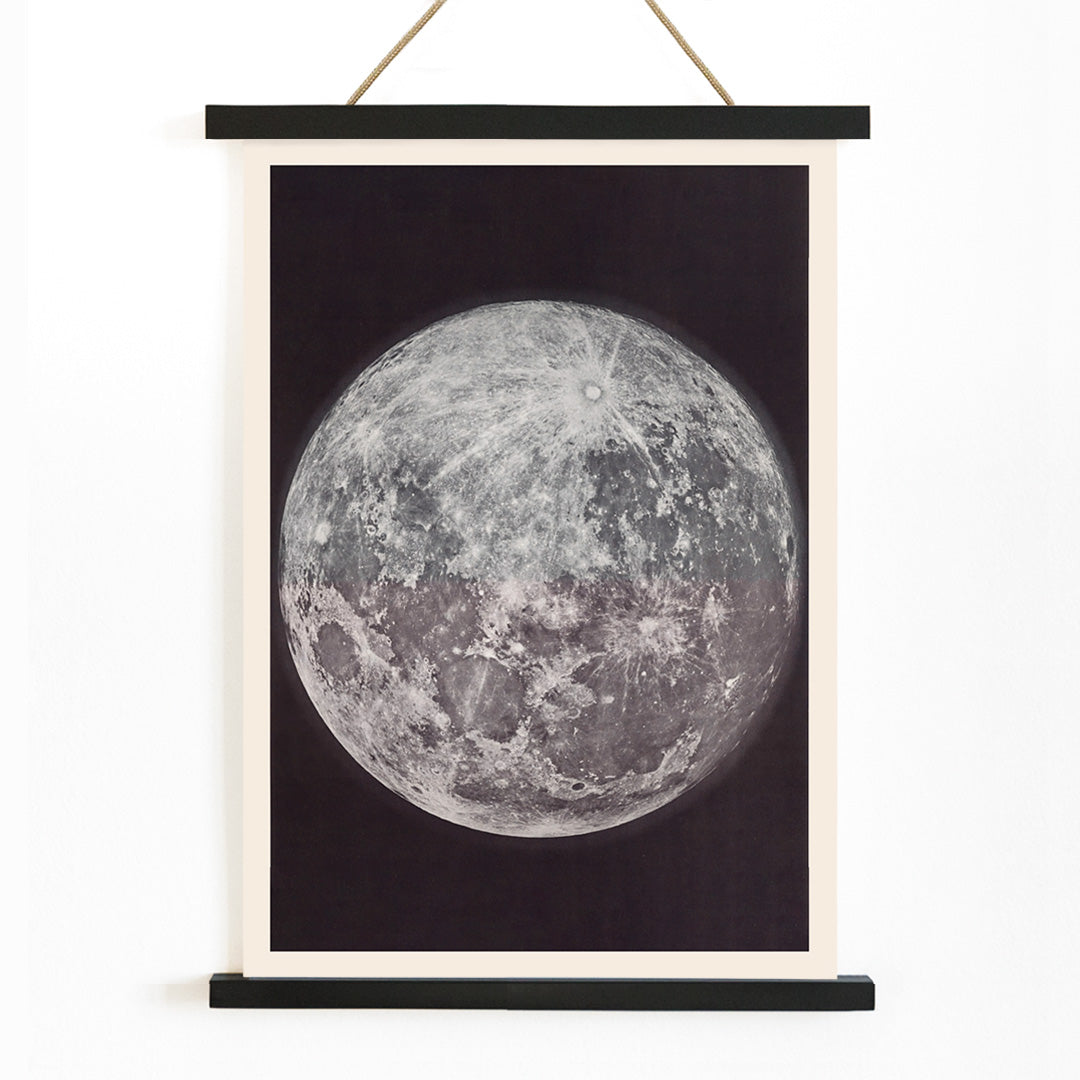
Questa fotografia lunare del 1950 testimonia l'impegno di Kuiper per la precisione scientifica in un periodo in cui la Luna stava diventando oggetto di studio intensivo e di vivaci speculazioni, appena prima dell'alba dell'era spaziale
L'opera
Realizzata in un'epoca in cui l'esplorazione lunare passava dal mito alla ricerca sistematica, questa immagine servì come strumento essenziale per astronomi e ricercatori. Fotografie come questa furono fondamentali per discutere la geologia lunare, contribuendo a formulare ipotesi su formazione dei crateri e composizione della superficie molto prima che le sonde potessero offrire riprese ravvicinate
In quanto reperto storico, questa immagine invita a riflettere sul rapporto dell'umanità con la Luna: da musa lontana a oggetto d'esplorazione. Si abbina naturalmente ad altre opere dedicate all'esplorazione spaziale e completa le collezioni di arte scientifica
Stile e caratteristiche
La fotografia presenta la Luna come un disco luminoso sospeso su uno sfondo nerissimo. I dettagli fini di crateri, creste e altopiani sono resi in una netta scala di grigi, con sottili gradazioni di luce e ombra che accrescono la percezione della profondità e della texture. Il forte contrasto tra la superficie lunare e il buio circostante enfatizza l'isolamento e la nitidezza del soggetto
Il tono complessivo è contemplativo e analitico, in linea con lo stile documentaristico della fotografia scientifica di metà secolo. Questa estetica monocromatica si integra perfettamente con altre stampe fotografiche vintage, offrendo un'affermazione visiva senza tempo e di sicuro impatto
Nell'arredamento d'interni
Questa stampa lunare è ideale per spazi che privilegiano concentrazione e riflessione, come studi, uffici domestici o soggiorni dal gusto minimale. La palette in bianco e nero si adatta a interni moderni, industriali e mid-century, e risulta particolarmente efficace all'interno di una parete galleria curata
Abbinala a cornici opache nere o metalliche e valorizza l'insieme con tessili neutri per richiamare il retaggio scientifico dell'immagine. Per gli appassionati di astronomia o di iconografia scientifica vintage, questa fotografia si armonizza con mappe e disegni tecnici creando un'atmosfera coerente e colta